BERENEWED LTD
BERENEWED LTD
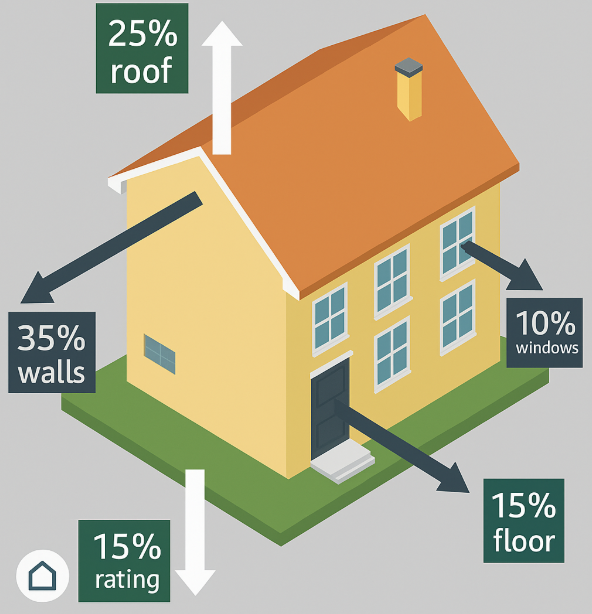
What is Heat Loss?
Heat loss refers to the amount of heat energy that escapes from a building or a home, usually through doors, windows, floors, walls, and the roof.
In simple terms, the lower the heat loss, the less energy you need to keep your home warm, making your house more energy efficient and reducing your heating bills.
How can you Reduce Heat Loss?
A few quick tips for reducing heat loss:
Explore common heat loss areas in properties through our image and text grid, highlighting practical solutions for optimisation.
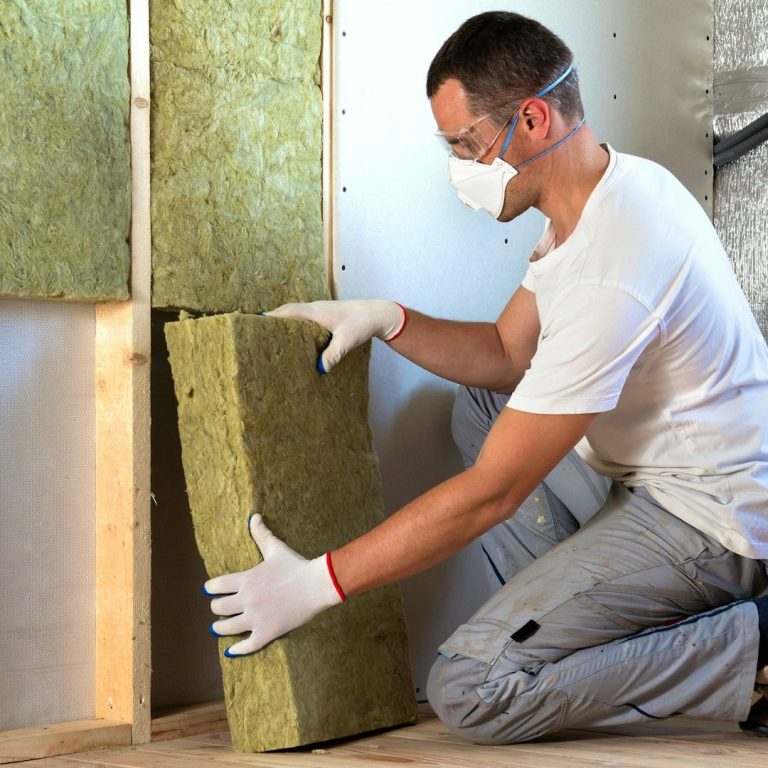
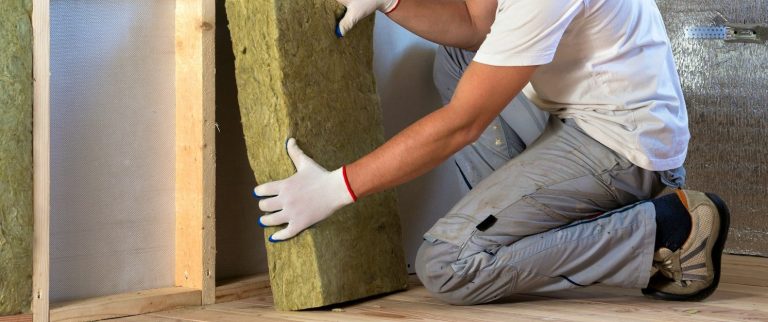
Insulation plays a crucial role in minimising heat loss. Common areas such as walls, roofs, and floors can all benefit from superior insulation materials. By ensuring that your property is well-insulated, you can significantly reduce energy consumption and enhance comfort.

Drafts are a significant contributor to heat loss in properties. Areas around windows, doors, and vents tend to be prone to leaks. Implementing draft excluders and sealing gaps can drastically improve thermal efficiency and create a more stable indoor climate.
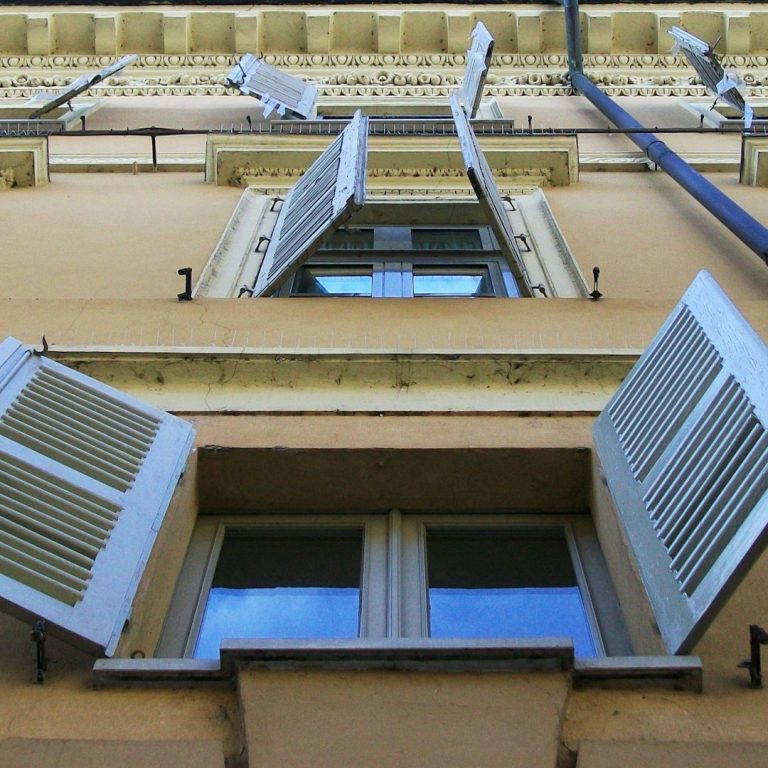
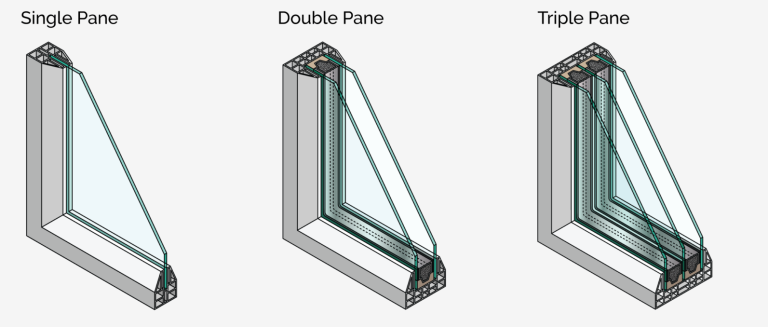
Old or single-glazed windows can allow substantial heat to escape. Upgrading to energy-efficient double or triple-glazed windows not only enhances comfort but also reduces heating costs. Consider window films or thermal curtains as supplementary measures to minimise heat loss.
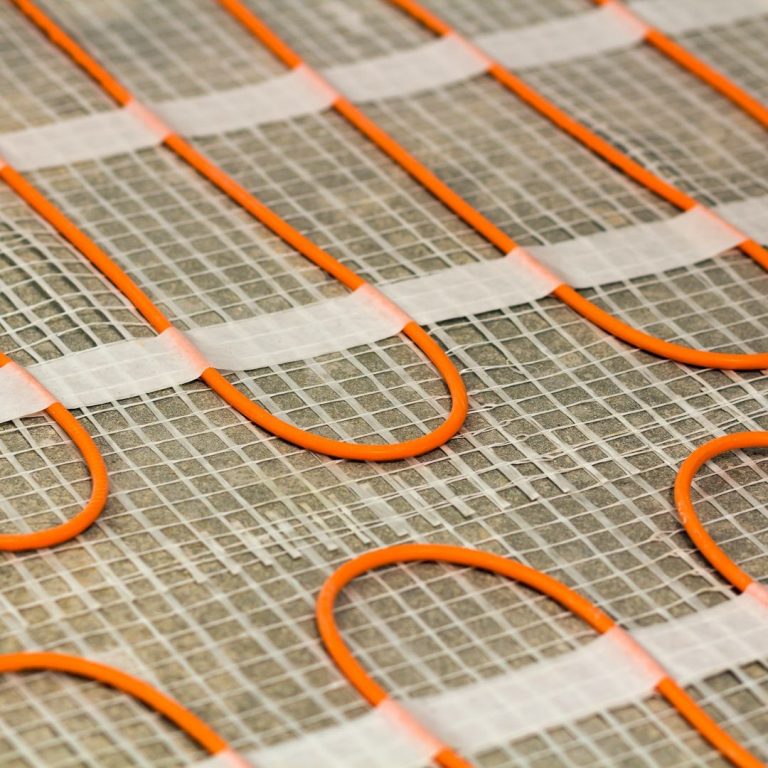
The type of heating system in a property can greatly influence heat retention. Outdated systems may lose heat through poor efficiency. Regular maintenance and considering renewable energy options like solar heating can ensure that your home remains well-heated while optimising energy use.
At BeRenewed Ltd, we recognise the critical importance of minimising heat loss for both economic and ecological reasons. By reducing heat loss in buildings, individuals and businesses can achieve significant cost savings on their energy bills, as less energy is required to maintain comfortable temperatures. Moreover, minimising heat loss is essential for lowering carbon emissions. The less energy consumed, the smaller the environmental footprint. This aligns with global efforts to combat climate change and promotes sustainable living. Implementing effective insulation, optimising energy efficiency measures, and converting to renewable energy sources such as solar can significantly reduce heat loss in properties. The long-term benefits, both financially and environmentally, highlight the relevance of this practice in today’s energy-conscious landscape. Join us at BeRenewed Ltd in our mission to promote energy efficiency and environmental sustainability.
Solid Brick: 2.1 W/m²K.
Solid Brick Insulated: 0.28 W/m²K.
Cavity Wall Uninsulated: 1.3 W/m²K.
Cavity Wall Insulated: 0.55 W/m²K.
Metal (Aluminium) Double Glazed: 1.2 – 1.6 W/m²K
Wood Double Glazed: 1.2 – 1.4 W/m²K
PVC Double Glazed: 1.2 – 1.4 W/m²K
PVC Triple Glazed: 0.6 – 1.0 W/m²K
Wood Triple Glazed: 0.7 – 0.9 W/m²K
Vacuum Double Glazing: 0.5 – 1.1 W/m²K
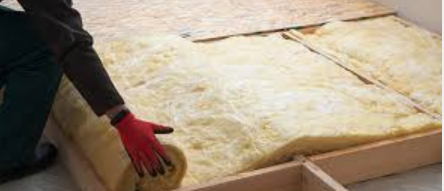
Concrete: 1.35 W/m²K.
Suspended: 1.73 W/m²K.
Hardwood: 0.18 W/m²K.
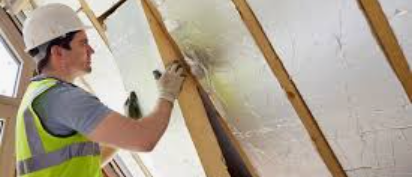
Timber: 1.73 W/m²K
Felt/Bitumen: 0.3 W/m²K.
Stone Chippings: 0.96 W/m²K.
Concrete Tiles: 1.5 W/m²K.
Wood / Wool: 0.18 W/m²K.
At BeRenewed Ltd, we believe that every step taken towards reducing heat loss contributes significantly to energy conservation and environmental sustainability. By implementing effective strategies, you can ensure that your property retains the heat generated, thereby reducing your energy costs and your carbon footprint.
One of the most effective ways to reduce heat loss is to enhance your property’s insulation. Installing high-quality insulation in your walls, roof, and floors can significantly decrease the amount of heat escaping from your home. Consider materials like spray foam or rigid foam boards that can provide superior thermal resistance. Regularly check and replace old insulation to maintain optimal performance.
Drafty windows and doors can be a significant source of heat loss. Applying weatherstripping or caulking around the edges can prevent cold air from entering and warm air from escaping. Additionally, consider investing in double or triple-glazed windows that offer better insulation properties, keeping your home comfortable throughout the year.
Investing in energy-efficient heating systems is crucial for reducing heat loss. Modern boilers and smart thermostats can optimise your heating efforts. Regular maintenance will ensure these systems operate efficiently, thus minimising wasted energy while providing maximum comfort. Solar water heating systems, a specialty of BeRenewed Ltd, can also effectively reduce your dependency on traditional heating.
While it may seem counterintuitive, proper ventilation is essential for maintaining energy efficiency. Ensure your ventilated spaces are well-balanced, allowing for the exchange of stale air while preventing valuable heat loss. Consider heat recovery ventilation systems that capture and reuse warm air, further optimising your energy conservation efforts.
Frequently Asked Questions (FAQs)
1. What is a U-Value?
A U-value measures heat loss in a building element such as a wall, ground floor, or roof.
It measures how well parts of a building transfer heat.
The lower the U-value, the better the material is at insulating.
4. What is thermal bridging?
Thermal bridging occurs when a part of the building envelope is more conductive than the surrounding materials, which results in a path of least resistance for heat transfer.
Common locations for thermal bridging include gaps in insulation, window and door openings, and where walls meet the roof or ground floor.
2. How do you calculate U-value?
The U-value is calculated by dividing the rate of heat transfer by the internal temperature gradient and external temperature gradient difference between the building, and the surface area through which the heat required is being transferred.
This calculation often requires specific knowledge of the materials being used.
5. How does insulation give you a lower temperature?
Insulation works by providing a highly resistant barrier to the heat flow.
It keeps warm air in the winter and hot air out during the summer, which helps maintain a comfortable internal temperature for the building.
3. What other factors affect heat loss in a building?
Many factors affect heat loss, including the materials used in construction, the building’s shape and orientation, the level of insulation, the number of windows and doors, thermal bridging, and ventilation rates.
We need your consent to load the translations
We use a third-party service to translate the website content that may collect data about your activity. Please review the details in the privacy policy and accept the service to view the translations.